Then when I was 21, I finished second in the 1970 Ronde van Noord-Holland, a big Dutch race. Afterwards, I went on national radio for an interview and headed home. My parents congratulated me and said they had recorded it on tape. When I listened back and heard my voice, my face fell. I promised myself I had to work on that stutter and change it.
I got my results in cycling by being so dedicated too. That was one of my big secrets. You cannot win everything from hard work, you need the body, the class and the opportunities too. But if you do nothing with those, you have to train hard.
I can still remember Paris-Roubaix and Flanders in my first year as a pro [1973], finishing nearly half an hour behind. But it wasn’t a problem: I had a nice day, I was in the Tour of Flanders with all those spectators, that atmosphere.
Afterwards, I showered, got a lunch pack and put the bike in my little car. Then, I drove about 350 kilometres home, arriving at one o’clock in the morning. The next morning, I was out training by nine. I was a happy man – because I was professional, I knew I’d done everything I could.
During the race, a strong headwind tore in from the right and formed echelons and I was in one of the last ones. So, I realised I had to improve myself to be among the leaders at the finish. Eight years later, I won the Tour of Flanders.
But I loved Paris-Roubaix the most. You have to suffer but you can also get back after a puncture or a mistake, even if it happens several times. You have to be mentally so strong there, that may be the secret. I didn’t look over my shoulder at someone else, I looked at myself.
You have to take it on yourself. I was world champion in 1975. But the previous year, it was in Montreal and I flew there on my own because I had sponsor obligations.
Listen: Rouleur podcast – Paris-Roubaix special with Cancellara, Backstedt, Hammond, Kuiper
I had to race at the GP Union Dortmund because I was racing for a German backer, Rokado, and their [slatted frame] factory was based in the city. It was a case of “if you don’t come, we won’t pay you anymore” – and I had just got married, I needed the money. I won the race, headed to Frankfurt airport and jumped on a plane to Canada, which was far from cheap.
I turned up at the team hotel and the Dutch bosses went “what are you doing here? Riding the World Championships? No way.” I wasn’t allowed to race because I hadn’t flown with the team. It was the federation who decided that; a group ticket was much cheaper. So I sat and watched Eddy Merckx win.
It was similar for the 1972 Olympics too. At first, I wasn’t picked for the road race, they didn’t recognise my potential. Then I rode my ass off in the team time trial with three others and they had to pick me. The rest is history. [Kuiper won the gold medal]
Buy: Hennie Kuiper – The Handmade Cyclist Mug
Cycling hasn’t changed in that regard. As a professional, whether 40 years ago or nowadays, you have to be the same character. You’ve got to like your job to do all those hard things. It’s not normal to ride four mountains in 30-degree heat. 60km/h over cobblestones: where’s the fun in that? You’ve got to be a little bit crazy too.
As for the stutter, it was a process. I could not push a button and fix the problem. I persevered and I don’t think much about it now. I am still proud of myself for overcoming it. That’s the thread running through my whole career: champion willpower.
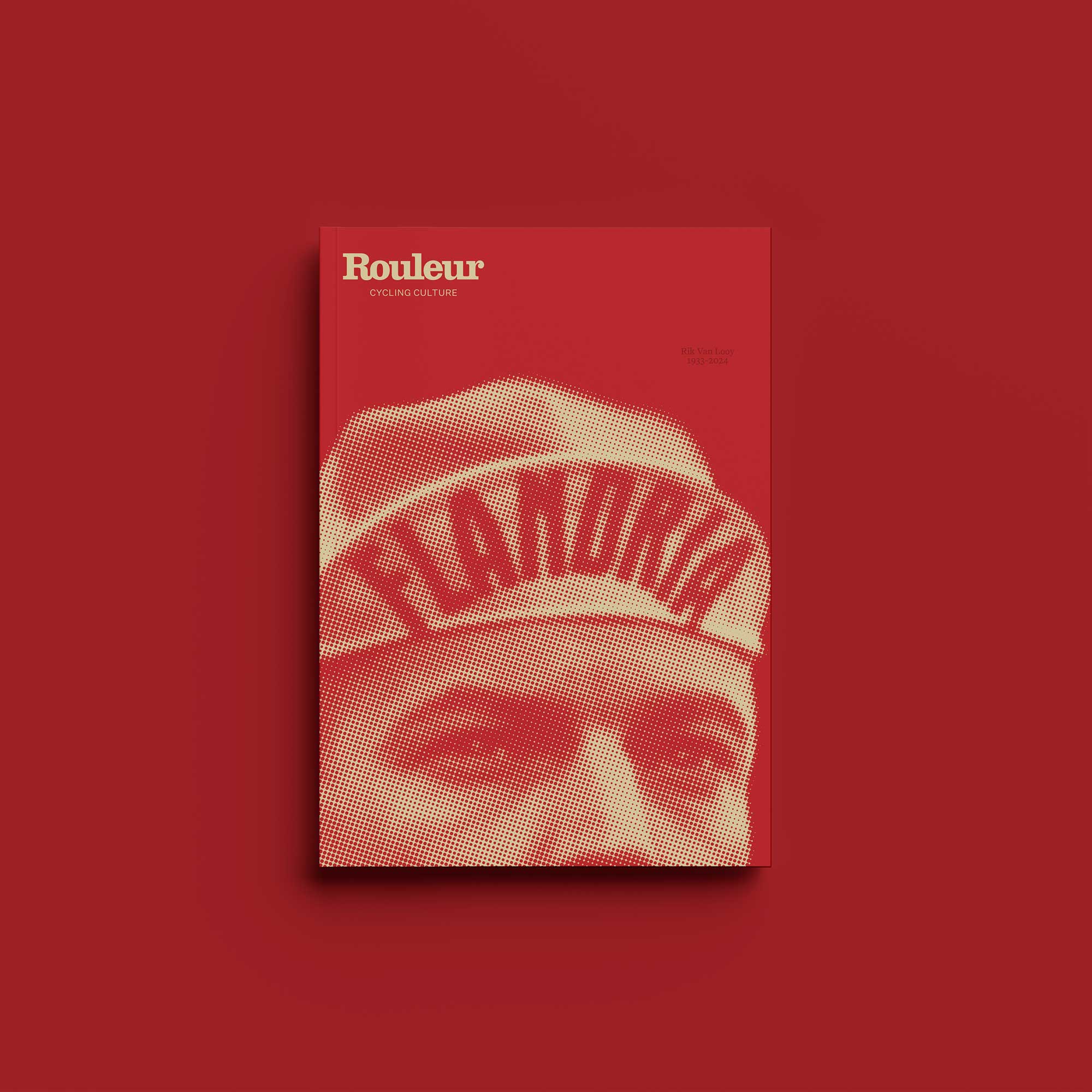
This article was originally published in Rouleur 18.1.
Rouleur editor Andy McGrath is an ambassador for Action for Stammering Children, a UK charity which aims for a society where children and young people who stammer have the same opportunities and quality of life as their peers.
The post Hennie Kuiper: The classic king’s speech appeared first on The world's finest cycling magazine.